1. From ancient potions to current drugs: A short journey thru the history of venoms used in medicine.
There has always been a close link between snakes and human perceptions of life and death in human history. Snake venoms have been used in many forms, from enhancement for weapons to medieval remedies. In some languages, the same word is used both for life and for the snake. This double meaning explains why in so many cultures snakes were seen as a healing creatures or like a life-given God
[1].
Since ancient civilizations, snakes have been seen as a symbol of life and health. This explains why snakes are the symbol of medicine. In Mesoamerica cultures, Quetzalcoatl (In Nahua,
quetzalli means “bird” and “coatl” means snake); a feathered serpent stands as a symbol for Earth and sky, time and space, fertility and creation, as well as being the guardian of snake medicine
[2]. Today in the Sierra of Jalisco, Mexico, traditional healers of the Wixarika community stay devout to the plumed serpent through song and dance
[2].
In Greek civilization, snake represented air, earth and was an attribute of Athena; and its meaning was fecundity, health, continuity, and eternity. It was said that in the temples of
Asklepios at Epidaurus, Rhodes, Cnides, and Cos, the touch of the snake’s tongues could heal blind people. It is also said that Aristotle described the properties of venom and their uses
[3]. For example, Aristotle said that some vipers produce a venom that causes septic symptoms and immediate death; and others refer to the asp as that which makes the skin rotten. He also thought that poisonous animals ate another venomous animal to obtain its venom. Finally, he describes that some humans in Egypt and Libya obtained those venoms to poison other animals and enemies
[4].
In Africa, ancient Egyptians represent the cycle of life, death, and resurrection in the Ouroboros symbol that depicts a snake eating its tail
[5]. This ancient civilization referred to snakes as Atoum, the creator of the air and the Earth. Also, the golden cobra (Naja haje) named Uraeus was the symbol of life, knowledge, and sovereignty
[5]. It is said that Cleopatra was especially interested in snake venom effects
[6]. She tested venoms on condemned prisoners to see the different body reactions and to find the toxic limits
[6].
Moreover, she compared symptoms of envenomation between species of vipers (Cerastes spp,
Echis spp) and elapids (Naja spp,
Walterinnesia spp). This information later served another purpose when she committed suicide. After many years of study of the symptoms and reactions of many snake venoms, she learned that the death produced by a viper was more violent and painful than elapids. Afterward, she chose the royal Uraeus (Naja haje), a cobra snake of the Pharaohs, and died from its silent bite
[6]. Nevertheless, Cleopatra's death is a subject of controversy. There are other theories, including murder or suicide using her knowledge of poisonous plants, but snake envenomation is one of the most likely methods that she used
[6].
After Christianity and considering the Bible's lousy reputation given to snakes, it is clear why in Europe snake venom was not frequently used. There are only a few references about this. One of them is an exciting tale from the 19th century from the German chemist Kekule (1829-1896), who in one of his dreams saw a snake with its tail in its mouth. Later he related this dream to the structure of the benzene rings (aromatic rings composed of six carbon atoms used in the preparation of dyes or of detergents)
[3].
Fascination with the toxicity of snake venom has led humanity to use it to kill and heal. The uses of snake venoms can be summarized in two paths: as a weapon to silently defeat enemies and its role in therapies and remedies to heal dying patients. One of the best-known weapons in which snake venom was used were arrows contaminated with venom. These weapons have their origins in Greek mythology and were first used by Heracles. In addition, many ancient soldiers and warriors used venom dipped arrows from southern Africa to Siberia
[3].
Since 326 BC, Alexander the Great was attacked in India with these lethal projectiles. Symptoms described by the soldiers suggested that it was poison from Russell’s vipers (Daboia russelii). Later in the V century BC, Scythian warriors used venom as a coating for arrow tips to kill enemies. Nevertheless, this culture went further by exploring the venom healing properties. Some ancient writings describe the technique employed by Scythians to obtain the venoms to create antivenoms and medicines
[7].
The Scythian healer Agari joined King Mithridates (more later) to research snake venoms. They concluded that venom could be digested in small amounts, but it was lethal if it enters the bloodstream
[8]. Also, they used to say that every poisonous substance has its natural antidote. That is why they commonly combined ingredients such as cinnamon, honey, castor, garlic, charcoal, with snake venom to create treatments. One common use was the
electuary. This was a paste made with honey and a minute amount of venom alongside the
Theriac (=Theriaque), the first known antivenom.It was believed to boost the immune system
[9]. Finally, snake venom was also used to treat war wounds and hemorrhages for its anticoagulant properties
[10].
Similarly, Carthaginian Hannibal Barca (247-181 BC), a general who led the fight against the Roman Republic during the Second Punic War, once ordered his soldiers to throw pots full of snakes at enemy ships, causing significant damage to them. However, this biological attack led to the creation of the first "antivenom" by mixing snake meat with a variety of components and was named "Theriaque"
[7].
In the Black Sea empire of the first century BC, using Cleopatra’s methodological approaches, King Mithridates VI of Pontus (120–63 BC), known as the first toxicologist, formulated a universal antidote that contained a mixture of toxins and antidotes. King Mithridates proclaimed himself the discoverer of the antidote (Theriaque) useful in the treatment for every venomous reptile and poisonous substance. He also used prisoners to explore antidotes by subjecting them to snake envenomation
[11].
It was said that this substance the “Theriaque” was able to neutralize all snake venoms. The technique recalled the principles of immunization by inoculating small amounts of venom and thus "priming" the immune system's response to a snake bite
[12]. Later in 67 A.C., Mithridates suffered a severe sword wound to the leg that produced profuse bleeding putting him at risk of death. But one of his disciples stopped the bleeding with snake venom, saving his life. This is the first reported use of snake venoms for their coagulating effects. This discovery was recently used by scientists in the new field of “venomics”
[12] (Chapter 5).
However,
Theriaque was widely used for multiple illnesses by cultures and civilizations of the ancient world until the XVII century when the famous French apothecary, Moyse Charas, published the formula for
Theriaque, thus ending its monopoly. Currently, the original formula for
Theriaque is in disuse. It can be found in the market as a food supplement that maintains its name, but it is reportedly used as an over-the-counter treatment for food poisoning, purifying the body of traces of bewitchment, treating digestive spasms; and it is helpful in obsessive-compulsive disorder and psychological crises
[11]. Please never use it as antivenom therapy, but it may be helpful in cases of bewitchment.
Ancient wars led to the development of various medicines and healing substances. Some of them are based on snake venom. This is clear in the almost obsessive interest in snakes in the medieval medical literature. As mentioned above, the
Theriaque was one of the first questionable antivenoms. Later this substance was produced in Paris, but a new, much simpler and still questionable one called
Orvietan was also created along with another called
Bezoard, containing snake liver and fat, both used as a panacea against poisonings with criminal intent, as well as snake envenomation
[3].
Also, a toxic powder called
Viperine was obtained by Lucien Bonaparte in 1843. He precipitated the venom of
Vipera berus (common adder) with alcohol and ether, and compared its effects to digestive enzymes
[13]. Later in 1868, the American Mitchell isolated the
Crotaline toxin from rattlesnakes and measured its effects on animals, the main output being symptoms of paralysis
[14]. A few decades later, Pelder proposed that snake venoms had a high protein content. Wolfenden later validated this theory in 1886, obtaining a substance like albumin for the venom. Years after these discoveries, Martin separated
Pseudechis porphyriacus (Red-bellied black snake)venom into two main components. One of these caused hemorrhages, while the other stopped the breathing of animals when injected
[14]. These findings represent the first descriptions of the biological activities of venoms.
Another important use of venom was the induction of immune response in animals. In 1890, Louis Pasteur met the French physician Albert Calmette (1863–1933), who was invited to create and direct the first daughter Pasteur Institute in Saigon (now Ho Chi Minh City, Vietnam), French Indochina, aiming to protect the local population against rabies and smallpox. This Pasteur Institute opened in 1891, and Calmette performed research on snake venoms. He carried out several attempts to induce an immune response in animals, but they were unsuccessful
[15-16]. In 1894, Calmette used repeat venom inoculations in rabbits, and he produced an anticobra serum. Calmette presented his results to the French Society of Biology in the same year
[17]. Finally, in the Pasteur Institute in France, Calmette began the production of anticobra serum for therapeutic use by injecting snake venom in horses in a repeated schedule the production of which was first suggested by Sewall
[18].
In Latin America, the pioneer of antivenom production was Vital Brazil, who read the manuscript published by Calmette
[5]. One year later, Brazil entered the Institute of Bacteriology, and immediately started injecting animals with small doses of Brazilian snake venoms
[18,19]. In 1901, Vital Brazil published his findings of snake venoms and serum production
[20,21]. In February 1901, the Institute Butantan was officially opened under the name of the Institute of Serumtherapy with Vital Brazil as Director
[6].
During the 20th century, the physiological effects and compositions of the venoms of different snake species were isolated and became known. Snake venoms were classified by their properties; for example, the venoms of
Naja naja, Crotalus adamanteus (eastern diamondback rattlesnake), and
Daboia russellii (Russel’s viper) were found to be effective for curare as well as depressor and coagulating effects. Also, a new term
ophiotoxin was added to the substances present in venoms
[3].
Later, some experiments were conducted, showing that the venoms of
Crotalus adamanteus, Agkistrodon piscivorus (cottonmouth), and
Naja atra (Chinese cobra)could affect the nervous system, producing respiratory paralysis. The venoms with coagulant proprieties were the ones from the viperids
Daboia russelii, Echis carinatus (phoorsa),
Trimeresurus gramineus (bamboo viper)and
Crotalus adamanteus; and the elapids
Pseudechis porphyriacus and
Acanthophis antarcticus (common death adder)
[3].
In the second half of the 20th century, Sergio Ferreira reported a venom fraction from
Bothrops jararaca (Jararaca) that could inhibit the conversion of angiotensin I to II, potentiating the action of bradykinin (see in detail later). This fraction was named the bradykinin-potentiating factor (BPF)
[22]. In parallel, Ferreira joined Jhon Vane’s Lab as a Post-doc and Vane became a consultant for the Pharmaceutical Squibb. Simultaneously but separately, Ferreira et al
[23], and Ondetti et al
[24], another researcher from Squibb, continued working to obtain more accurate information about BPF, leading to isolation and characterization of the active peptides of the fraction
[23,24].
These peptides did not have enough potential to be a pharmaceutical product since they lacked oral stability, and their massive production was expensive. Furthermore, Cushman et al.
[25] published the characterization of some analogs of the original peptides and the specific region that binds to the active site of the angiotensin-converting enzyme I (ACE-I), blocking the conversion of angiotensin II, and resulting in vasodilatation. Then, Squibb spent millions of dollars to generate an orally active form of the drug and on animal and clinical studies, so that finally in the early 1980s Captopril® was approved by the Food and Drug Administration as a drug for the treatment of hypertension. This made it possible to manage and avoid the sequelae of arterial hypertension such as kidney injury, heart attack, encephalopathy, etc.,
[26].
Late in the 1980s to 2000s, two snake venom disintegrins have been used as lead compounds for the development of two anti-thrombotic drugs (Eptiftibatide, Integrilin®, Millenium Pharmaceuticals) and Tirofiban (Agrastat®, Merck & Co)
[27]. Equally, snake venom toxins have shown multiple biological activities, such as antitumor, antibacterial, antiviral, hypotensive activity, anticoagulant, etc.,
[28–30]. Likewise, snake venoms have been employed as tools in biomedical research. For example, some toxins have been essential for describing receptors or the mode of action of enzymes, as well as venom proteins as essential reagents in clinical chemistry
[28,31].
So, disciplines such as biochemistry, physiology, pharmacology, and immunology provide new knowledge about these toxic substances and their structure, and their effects and reactions on organic systems. This knowledge allows the synthesis of active ingredients and much more selective and effective drugs. From this outlook, snake venoms are an essential source of molecular components that can modulate several physiologic processes. Nowadays, there are a variety of active principles derived from snake venoms. These can be classified by their effects, such as cancer, anticoagulation, pain management, antibiotics, antihypertensive, etc., (Figure 1). The amazing therapeutic potential and biomedical use of snake venom toxins are covered in this chapter.
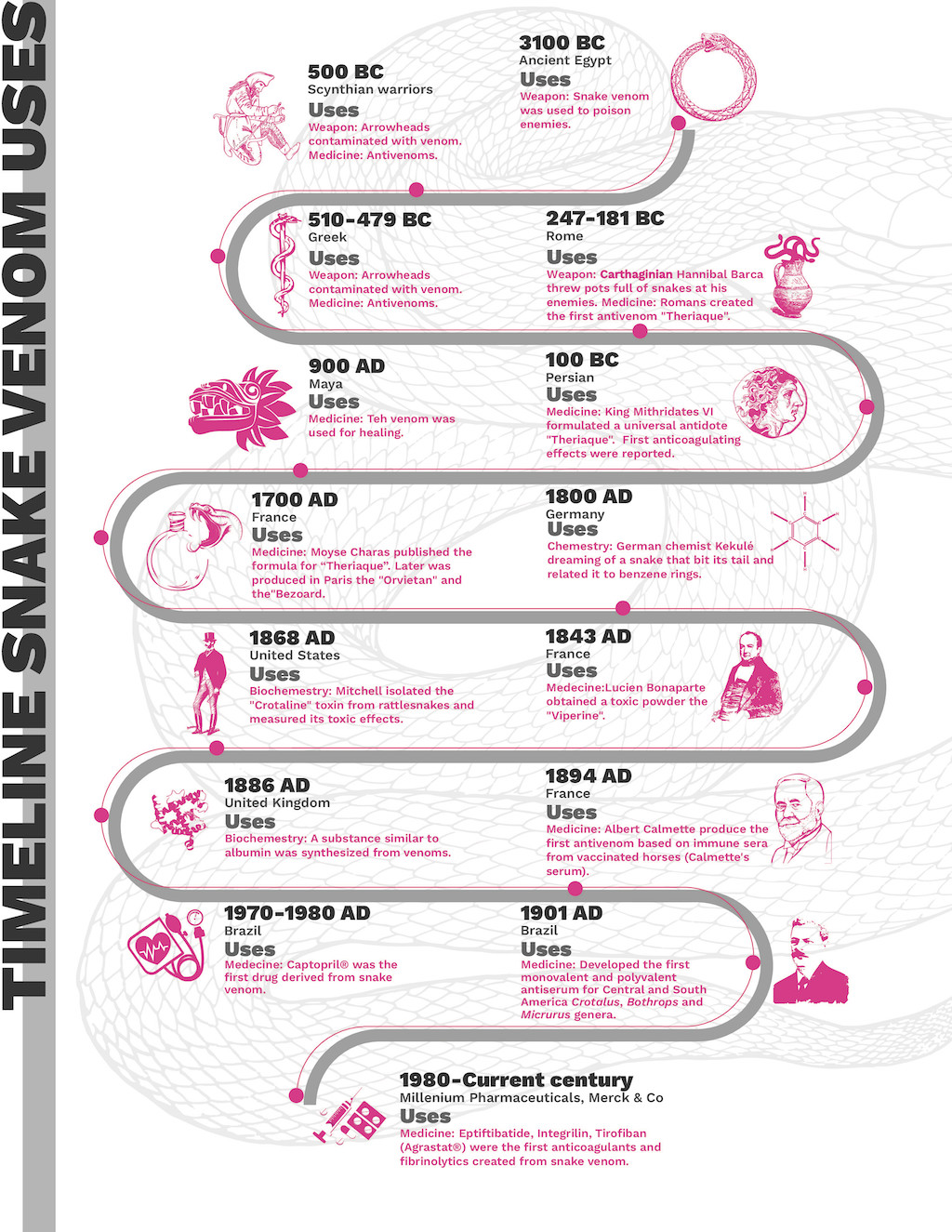
Figure 1. Timeline infographic depicting the main snake venom uses across human history.
2. Pharmacological role of snake venoms
Knowledge about pharmacological properties of snake venoms has bloomed with the advancement of science and technology. Currently, a great variety of active principles derived from these substances can be found. Snake venoms are a mix of active substances such as enzymes, proteins, and peptides (see Chapter 5). The main components of venoms include about 19 protein families such as PLA2, serine proteases, metalloproteinase, lectins, l-amino-acid oxidases, bradykinin potentiating factors, natriuretic factors, and integrin antagonists, etc.
[32]. In addition, these substances have biological activities that could have therapeutic properties by interacting with endogenous receptors (e.g., cell membrane receptors G protein-coupled and ion channels, among others) and membrane and coagulation proteins, affecting the neuromuscular and cardiovascular system, blood coagulation function, and can cause significant alterations in the body
[33].
Nevertheless, their target specificity, affinity, and selectivity provide an excellent opportunity for new pharmacological interventions with more effective action mechanisms, fewer negative interactions, and adverse effects. These features are essential in an “ideal drug” that could be produced from these toxins
[34]. Some examples of possible new drugs controlling hypertension, antithrombotic, anticoagulant, antiviral, analgesic, neuromodulator, and fibrinolytic problems and effects have been studied for human uses (Table 1). Although these toxins are helpful as a drug, they can also be helpful in diagnosis and studies of cellular mechanisms
[35].
The therapeutic properties that are attributed to venoms can be grouped into the following pharmacological uses: first, alterations of the cardiovascular system and nervous system; and other indications, such as cancer treatment, antimicrobial therapy, management of coagulation disorders. These therapeutic properties will be addressed in the following sections (Figure 2)
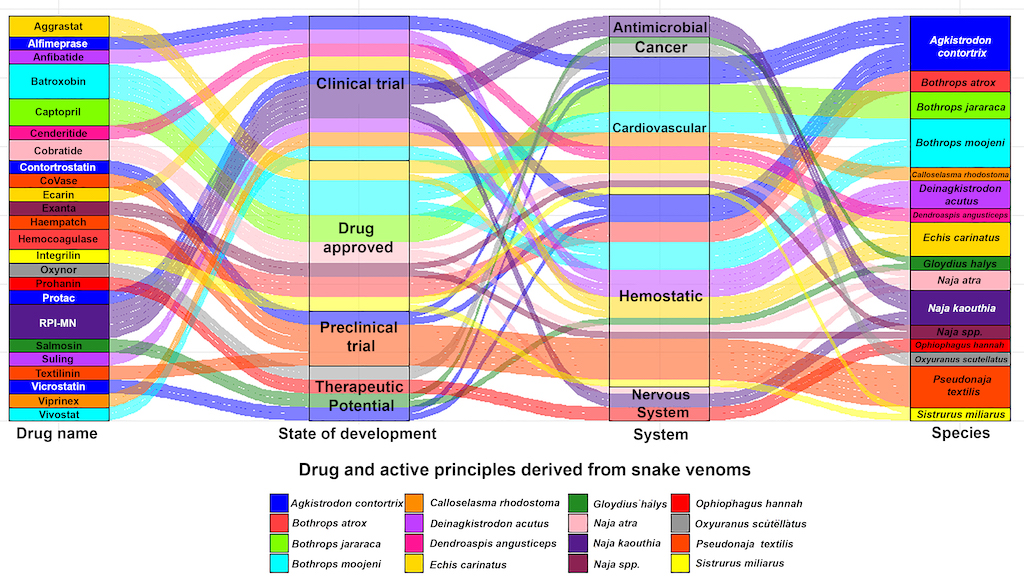
Figure2. Alluvial diagram depicting the relationship between drugs, snake venom, human systems, and development state.
Table 1. Biological activities of some snake venom toxins and their pharmacological potential.
| Toxin |
Biological activity |
Potential |
References |
| PLA2 |
Myotoxicity, neurotoxicity, modulation of platelet aggregation, anticoagulation, edema-forming, and hypotension |
Cytotoxic, anti-viral, and bactericidal activities |
[36–40] |
| SVMPs |
Hemorrhage, myotoxicity, edema-forming, blister formation, and dermonecrosis |
Activation of blood coagulation factors such as V and X |
[41–43] |
| SVSPs |
Hemostatic disturbances and hypotension |
Blood clot hydrolysis, ischemic stroke, and reagents in clinical chemistry |
[44–46] |
| LAAOs |
Hemorrhage, edema-forming, and modulation of platelet aggregation |
Antibacterial, antileishmanial, anti-viral, and cytotoxic activities |
[47,48] |
| Disintegrins |
Inhibition of platelet aggregation |
Anti-cancer and antithrombotic agents |
[27,49] |
| Lectins |
Hemostatic disturbances and inflammatory responses |
Anti-cancer and antithrombotic agents |
[46,50] |
| 3FTxs |
Neurotoxicity, cardiotoxicity, hemostatic disorders, and interactions with ion channels |
Analgesic activity and agents useful for the study of structure and function of muscarinic receptors (parasymatic receptors) |
[51–53] |
For the mode of action of these toxins
see Chapter 5 in this book. The biological potential will be described in this chapter.
Cardiovascular system
Cardiovascular system alterations are one of the most frequent diseases worldwide. These include high blood pressure, ischemic heart diseases, and cerebrovascular diseases. For example, among the natural causes of death for men and women in Colombia are as follow: 36.9 % ischemic heart diseases, 14.7% cerebrovascular diseases, and 8.2% hypertension
[54].
Considering the variability of the etiology and mechanisms involved in the onset of these pathologies, their management becomes a challenge for the health care system. Some of these diseases are associated with lesions in the blood vessels, dyslipidemias, heart failure, alterations in the rhythm and heart rate, atherosclerosis, etc.
[55]. Additionally, the occurrence of these pathologies can be connected to genetic or external risk factors and associated with each person's habits. This means that managing these pathologies requires a wide range of specific medications to treat each condition that led to the pathology
[55].
Arterial systemic hypertension is a chronic condition characterized by a vascular alteration that causes abnormally high blood pressure. This disease leads to atherothrombotic vascular events (e.g., myocardial infarction, cerebrovascular attack, etc.), heart failure, or kidney failure. However, in most cases, the cause is not identified, and it requires chronic treatment that includes different mechanisms
[56,57].
The approach to treating hypertension requires changes in vascular tone and blood volume. This can be achieved by inhibiting or blocking vasoconstrictor substances (e.g., adrenaline, noradrenaline, vasopressin, angiotensin II, aldosterone, antidiuretic hormone) or by potentiating vasodilator agents (e.g., nitric oxide, histamine, bradykinin, substance P, and vasoactive intestinal peptide)
[58]. To change blood volume diuretic drugs are used. These medicines cause water elimination and some electrolytes (sodium, potassium, magnesium, calcium, among others) depending on the selected drug
[58].
Bradykinin potentiating peptides (BPP)
As explained above, Captopril® was the first Food and Drug Association-approved drug derived from the bradykinin potentiating peptide from snake venoms (Bothrops jararaca; Table 2). Since then, a great variety of drugs that belong to the angiotensin-converting enzyme inhibitors group have been synthetized
[26]. Bradykinin potentiating peptides are present in viperid and elapid venoms from genera like
Agkistrodon,
Bitis,
Bothrops,
Crotalus,
Lachesis, Hydrophis Oxyuranus, and Pseudonaja
[59].
Bradykinin potentiating peptide acts like angiotensin-converting enzyme (ACE) inhibitors and is one of the most utilized groups of molecules for treating hypertension by causing relaxation of blood vessels and a decrease in blood volume
[60]. Also, they prevent the conversion of angiotensin I to angiotensin II, avoiding its vasoconstrictor, as well as sodium and water retention effects. This inhibition also enhances the vasodilators and anti-fibrosis effects of bradykinin that accumulates when ACE is inhibited. This action is especially important in patients with renal disease
[60]. Likewise, cytoprotective effects from BPP-derived drugs have been observed in the heart muscle and could be beneficial in heart failure and acute myocardial infarction
[60].
Benefits from the BPP are not limited to acting as ACE inhibitors. These peptides promote the synthesis of nitric oxide (endogenous vasodilator agent). Also, BPP can bind to muscarinic receptors M1 causing vasodilatation by activating the parasympathetic system response
[61]. This leads to a more sustained decrease in blood pressure and a possible new molecule to treat hypertension
[26].
Additionally, BPP affects the central nervous system and modifies the release of neurotransmitters such as GABA and glutamate. These neurological effects could modulate autonomic functions like blood pressure, heart rate, and release of neurotransmitters. Even though more research is needed, these findings offer new opportunities to treat hypertension and other autonomic conditions
[26].
Gouda et al.
[62] raise the hypothesis that a drug derived from these BPP could be effective for treating COVID-19, given the role of ACE in the replication mechanism of the virus. Some evidence suggests the virus could alter the function of ACE, affecting bradykinin production. Therefore, inhibiting ACE with BPP from snake venoms could result in an effective drug for treating COVID-19. Although this hypothesis requires further evidence, the physiological processes demonstrate biological plausibility
[62].
Natriuretic peptides
Natriuretic peptides (atrial natriuretic peptide, brain natriuretic peptide, and C-type natriuretic peptide) are vasoactive agents that cause regulation of vascular permeability, an increase of venous capacitance (the ability of veins to store blood), inhibition of the renin-angiotensin and aldosterone system (in charge of regulating the retention and elimination of sodium and water, vascular tone, etc.), diuresis and natriuresis. In other words, natriuretic peptides have an important role in regulating vascular tone, retention, or elimination of water and sodium, through the modification of different mechanisms
[61].
Recently, natriuretic peptides have been found in the venom of the snake
Dendroaspis angusticeps (green mamba). This peptide causes vasodilation stimulating the guanylate cyclase and calcium channels in aortic myocytes resulting in vascular smooth muscle relaxation
[46,61]. Moreover, natriuretic peptides have been isolated from the venom of
Crotalus oreganus (Northern Pacific rattlesnake), showing a vasodilator effect by increasing nitric oxide production by stimulating potassium channels. These peptides can also be found in the venom of diverse and unrelated species such as
Bungarus flaviceps (red-headed krait), Bungarus multicinctus (many-banded krait),
Crotalus durissus (South American rattlesnake),
Lachesis muta (South American bushmaster), Micrurus corallinus (painted coral snake), Oxyuranus microlepidotus (inland taipan), Pseudonaja textilis (eastern brown snake), Pseudechis australis (mulga snake), Pseudocerastes persicus (Persian horned viper),and
Protobothrops flavoviridis (habu snake)
[46,59].
Despite the different snake venom sources, natriuretic peptides have the same vasodilatation effects allowing study and synthesis of this molecule using different species. Medicines derived from this peptide can be used to treat pathologies of the cardiovascular system. Since the studies carried out to date show that they have a cytoprotective effect on cardiac cells and their vasodilator effect these properties benefit patients with congestive heart failure and ischemic heart disease
[46,61,63].
Calcium channel blockers
Calcium plays an essential role in muscle contraction. When this ion is released through calcium channels, actin and myosin interact to produce muscle contraction. Although there are different calcium channels (e.g., T, L, N, P, Q, R), some molecules from snake venom such as 3FTx protein and PLA2 act specifically in L and T type channels
[40]. On the other hand, the L-type calcium channel cardiovascular functions include smooth muscle contraction and cardiac peacemaking. T-type calcium channels are involved in the action potential on cardiac myocytes
[38]. By blocking calcium channels (L-type), calcium transport in the cardiac muscle and vascular smooth muscle is impeded, causing vasodilatation, heart rate decrease, and cardiac contractibility. This is especially useful in managing high blood pressure, angina, arrhythmia, and heart failure
[64].
Given the paramount importance that drugs must be highly selective, snake venom toxins raise a great opportunity to develop highly selective medicine targeting calcium channels. This development will avoid the adverse effects of currently available drugs due to their lack of selectivity facing multiple cardiovascular and neurological alterations. For example, 3FTx proteins from elapid snake venoms like calciseptine, FS2 toxin, C10S2C2, and S4C8 have shown high selectivity by binding and blocking L-type calcium channels.
Moreover, active principles synthesized from these toxins can be used to treat diseases of the cardiovascular system mentioned above. Therefore, these toxins have the potential to replace drugs like amlodipine or verapamil (calcium channel blockers), among others, avoiding adverse effects such as palpitations, hypotension, edema in feet and ankles, fatigue, vertigo, headaches, drowsiness, nausea, dyspepsia and dry mouth
[63].
Adrenergic Receptors
Adrenergic receptors are G protein-coupled membrane receptors responsible for sympathetic responses to adrenaline. This means that they have a key role in regulating heart rate, cardiac contraction, vascular tone, lipolysis, insulin release, bronchodilation, kidney function, etc. These receptors are divided into α and β with 9 subtypes (six for α1A, α1B, and α1D; α2A, α2B, α2C; and three for β1, β2, and β3). Adrenergic receptors are present in several tissues and intervene in different physiological sympathetic responses
[65].
In the cardiovascular tissues, α1, α2, and β2 receptors are mainly present on the blood vessels' smooth muscle cells
[65]. Also, α1 and β1 are also found on the heart muscle. The activation of β receptors leads to increased heart rate, contractility, and conduction velocity of the heart. The α1 receptors also increase cardiac contractility, causing vasoconstriction, while β2 produces smooth muscle relaxation. As a result, drugs like beta-blockers (e.g., propranolol, carvedilol, metoprolol) are widely used in angina, congestive heart failure, hypertension, irregular heartbeat, heart attack, tachycardia, coronary heart disease, as well as migraine, anxiety, and essential tremor, in combinations with other treatments
[65].
Therefore, some β-cardiotoxins (3FTx) from the venom of
Ophiophagus hannah have been characterized thru β-cardiotoxins that bind or block β1 and β2 receptors causing a lower heart rate and being useful for cardiovascular diseases such as heart failure, alterations in the rhythm, and ischemic heart diseases, but lacking the hemolytic and lytic effects observed in currently used drugs. Likewise, AdTx1 and UniProtKB P85092 toxins (3FTx from elapids) are α1 receptor blockers and could be used as vasodilators
[35,46]. Moreover, toxins such as UniProtKB C0HJR1, UniProtKB, and C0HJR2 (3FTx) are present in
Micrurus mipartitus (redtail coral snake) venom and have been shown to modulate the neurotransmitter GABA, lowering blood pressure and heart rate from a central mechanism
[63].
Finally, some cardiotoxins like those found in king cobra venom (Ophiophagus hannah) increase heart rate. These substances are known to cause cell membrane perturbation and have lytic factors. They are also named cytotoxins and have been studied for cancer treatment, and could have some antimicrobial properties (this will be addressed later)
[35].
Nervous system
There are snake venoms that contain neurotoxic components that interrupt communication between the axon and the motor plate, producing immobilization and loss of coordination in the prey. In addition, these neurotoxic agents act on physiological mechanisms that are important for neurotransmission, such as ion channel receptors on cell membranes
[34,66]. Fatal effects such as muscle paralysis can be found in both Viperidae (Crotalus species) and Elapidae (sea snakes: Hydrophiinae; coral snakes:
Micrurus species). Venoms from elapid snakes are mainly rich in PLA2 and 3FTx, potent neurotoxins that intervene in neuromuscular transmission at presynaptic or postsynaptic levels
[32,67].
Presynaptic Neurotoxins
The presynaptic effects are mostly attributed to β-neurotoxins. These act through the inhibition of acetylcholine release by eliminating acetylcholine vesicles, resulting in a blockage of the neuromuscular transmission without interfering with the sensitivity of the motor plate to acetylcholine (Ach)
[66,68]. This feature could be useful, and a drug synthesized from these toxins could be a good candidate to replace the current available neuromuscular blockers (e.g., depolarizing succinylcholine, non-depolarizing rocuronium, vecuronium, atracurium, cisatracurium, mivacurium). Furthermore, these new drugs could avoid the common side effects of hemodynamic instability (tachycardia, bradycardia, hypertension, or hypotension); bronchospasm, malignant hyperthermia; hyperkalemia, impaired neuromuscular transmission, muscular injury weakness and their interactions
[67,69].
Postsynaptic Neurotoxins
On the other hand, α-neurotoxins have postsynaptic activity, reversibly blocking cholinergic receptors. In addition, these toxins bind to the postsynaptic nicotinic acetylcholine receptors preventing the ion channels' opening and interrupting the neuromuscular transmission at the motor plate
[66,68]. This mechanism has been helpful to elucidate the physiopathology of some neuromuscular diseases such as myasthenia gravis that causes weakness in the skeletal muscles that worsens after periods of activity and improves after periods of rest
[68].
Analgesic toxins.
Another use of the interaction between these neurotoxins and the cholinergic pathways is an anti-nociceptive beneficial effect on treating chronic pain. For example, cobra toxin isolated from typical cobra venom (Naja naja) has analgesic properties. This toxin is a specific ligand for the cholinergic receptor a1 nAChR, causing analgesic effects by a non-opiate- dependent pathway
[35,53]. Likewise, the cobra toxin binds with high affinity to the a7 nAChR, producing the same effect. Moreover, it has been reported that this toxin can be replaced with morphine, helping manage the morphine-abstinence syndrome
[70]. Currently, the potential analgesic activity from a-neurotoxin from the king cobra(Ophiophagus hannah) is under study. Crotamine from the South American rattlesnake(Crotalus durissus) has demonstrated an anti-nociceptive effect more potent than morphine
[33,67,71].
Otherwise, neurotoxins (dendrotoxin) from green mamba venom (Dendroaspis angusticeps) selectively binds to the muscarinic acetylcholine receptors. The muscarinic receptors have an essential role in treating neurodegenerative diseases like Alzheimer's and Parkinson's. These receptors' selective blockade could help to restore normal movement in these diseases
[71,72]. Likewise, a toxin (Glu-Val-Trp) described from common lancehead or mapaná(Bothrops atrox) has shown neuroprotective and pro-neuroplasticity properties. Particularly, dopaminergic cell cultures treated with this toxin have shown a significant decrease in cell viability. This effect has the potential to treat pathological neuronal degeneration and could be useful in therapies used for Alzheimer's and Parkinson's diseases
[73].
Table 2. Drugs or active principles approved by the FDA for use in humans.
| Drug |
Mechanism |
State |
AC |
System |
Indication |
Origin |
Reference |
| Captopril® |
Inhibiting angiotensin-converting enzyme. (ACE inhibitor) |
FDA approved |
Yes |
Cardiovascular |
Hypertension, congestive heart failure, myocardial infarction, and diabetic neuropathy |
Bothrops jararaca |
[29,32,35] |
Aggrastat (Tirofiban)
|
Glycoprotein IIb/IIIa inhibitors. |
FDA approved |
Yes |
Cardiovascular, hemostatic
|
Heart attack, acute coronary disease, and antithrombotic therapy.
|
Echis carinatus |
[29,61,71] |
Integrilin (Eptifibatide)
|
Glycoprotein (GP) IIb/IIIa inhibitors. |
FDA approved |
Yes |
Cardiovascular, hemostatic
|
Acute coronary disease and antithrombotic therapy
|
Sistrurus miliarus. |
[29,33,35] |
Defibrase/Reptilase (Batroxobin)
|
Converts fibrinogen into fibrin |
FDA approved |
No |
Cardiovascular, hemostatic
|
Stroke, pulmonary embolism, deep vein thrombosis and myocardial infarction.
|
Bothrops atrox& B. moojeni. |
[32,33,71] |
Hemocoagulase
|
Catalyzes the blood coagulation |
FDA approved |
No |
Hemostatic |
Plastic surgery, abdominal surgery, and human vitrectomy.
|
Bothrops atrox |
[33,35,74] |
Exanta (Ximelagatran).
|
Direct thrombin inhibitors |
FDA approved |
No |
Cardiovascular, hemostatic |
Thromboembolic complications of atrial fibrillation |
Cobra venom (Naja spp) |
[29,32,74] |
| Cobratide (Ketongning, cobratoxin) |
Blockage of nicotinic receptors. |
No FDA approval, but currently used in China. |
No |
Cardiovascular, hemostatic, nervous system.
|
Chronic arthralgia, sciatica, neuropathic headache. |
Naja kaouthia Naja atra |
[29,32,71] |
AC: Available in Colombia
Cancer
Cancer is one of the commonest diseases in the world. In Colombia, according to the Ministerio de Salud y Protección Social, by 2020 the incidence was 182 cases per 100,000 inhabitants. Hence, early detection and adequate treatment reduce mortality and is a priority for health systems
[75].
By definition, cancer is a cellular disorder in which cells divide abnormally, forming lesions that grow, damaging surrounding tissues, using the body's energy resources, and negatively affecting physiology
[76]. This process is called carcinogenesis
[76]. In addition, cancer cells can migrate from their original tissue invading other systems, causingabnormalgrowth at any site. This process is known as metastasis
[77]. The alteration produced by the overgrowth of these abnormal tissues and its effect on the body systems ultimately causes complications and death in some cases
[78].
The genetic alteration in the cell is the result of the interaction between the patient's genetic factors and external agents, such as: physical carcinogens like ultraviolet and ionizing radiation, chemical carcinogens like asbestos, components of tobacco smoke, aflatoxins (contaminants in food) and arsenic (contaminants in drinking water), and biological carcinogens like certain viruses, bacteria and parasites
[79]. The genetic damage or mutations caused by these factors allow the cells to divide at a higher rate, generating clones with the same genetic mutation or damage. Then the "daughter" cells accumulate various mutations that allow them to create different types of clones. These have a greater growth and proliferation capacity, compared to normal cells
[80].
Under normal conditions, the immune system can control tumor cells through a process called tumor immunosurveillance. However, some clones have the ability to evade the control mechanisms, causing neoplasia (increase in the number of new cells)
[81]. Moreover, some alterations in the immune system can cause disbalances between the cellular proliferation and reproductive processes and between growth control and apoptosis mechanisms (programmed mechanism ofcell death)
[82].
Therefore, the processes involved in cancer are sustained proliferative signaling, growth suppressor evasion, immune destruction evasion, apoptosis evasion, replicative immortality, induction of angiogenesis (new blood vessels that feed the tumor), invasion and metastasis, mutation and genomic instability, tumor-promoted inflammation, and cellular energy dysregulation
[83]. Hence, cancer treatment is focused on interrupting the processes of cell replication, altering the cancer cell's environment, activating processes of cell death, apoptosis, autophagy, necrosis, and finally alerting the immune system to the presence of the tumor
[84,85].
Although the pathology alone causes significant damage to the body, treatments such as chemotherapy, radiotherapy, and immunotherapy in most cases hurt several body systems
[86]. Moreover, these medical interventions inhibit the growth or cause the death of healthy cells, producing important side effects (hair loss, weak nails, bleeding, failure in other systems such as the kidney, liver, etc.). Given the difficulty of producing more selective and specific drugs, there is currently paramount interest in finding specific drugs to treat each kind of cancer known
[86].
Current research has created safer drugs for cancer patients by improving their selectivity and specificity. As seen above, snake venom toxins are promising candidates to achieve this goal. Numerous studies have shown that these toxins can induce a direct lytic effect on tumor cells or alter the environment created by the tumor for its survival (e.g., angiogenesis). Moreover, some toxins trigger an inflammatory response that helps alert the immune system to the presence of the tumor
[87–90]. There are several studies that have shown that snake venom toxins have specific effectiveness against different types of cancer, such as cervical cancer, breast cancer, pancreatic cancer, and ovarian cancer
[91–95]. In the following paragraphs, we briefly describe the known anticancer action of snake venom toxins.
Phospholipase A2 (PLA
2)
Among toxins present in South American viper venoms such as
Bothrops asper, B. jararacussu, B. pauloensis, and B. moojeni, PLA2 toxins have been found to be useful in fight cancer
[84,87,89]. Particularly, PLA2 antitumor activity is given by its cytotoxicity, its phospholipid hydrolysis and mobilization of arachidonic acid properties, resulting in inhibition of tumor growth, DNA damage, apoptosis, autophagy, and suppression of metastasis (Table 3). In addition, these properties interfere with vascular proliferation, affecting tumor angiogenesis (formation of new blood vessels)
[88,96].
Crotoxin (a kind of PLA2) from the venom of the South American rattlesnake (Crotalus durissus)has shown specific cytotoxic activity towards cancer cells
[87,96]. This toxin interferes with the epidermal growth factor receptor that is highly selective. In some phase I and II trials, the crotoxin showed a reduction of the disease in different types of cancer such as breast cancer, melanoma, and leukemia
[88–90,95].
Cardiotoxin-3
As described above, the cardiotoxin present in elapid venom has cytotoxic properties useful in cancer treatment by inducing apoptotic cell death and regulating the processes of proliferation
[89]. In addition, some studies have shown that cardiotoxin activates apoptosis in the endoplasmic reticulum and in the mitochondrial pathway, being effective as an anti-neoplastic drug
[88]. Currently, the molecule VRCTC-310-Onco, composed of crotoxin (from
Crotalus durissus) and cardiotoxin (from
Naja atra) is being tested in skin and breast cancer, showing that in 80% of the cases, tumor reduction is observed
[88,95,96].
Disintegrins
Disintegrins (non-enzymatic proteins, e.g., Salmosin) from Haly´s pit viper (Gloydius halys) have shown anticancer properties inhibiting tumor behavior. They block cell to cell interaction, along with cell-matrix communication and signaling transmission
[88], stopping the growth of metastatic and solid tumors. This effect has also been found in snake venoms from other non-closely related vipers
[88,89].
Contortrostatin and vicrostatin disintegrins extracted from the copper head (Akistrodon contortrix), Phoorsa (Echis carinatus), and McMahons desert viper (Eristicophis macmahoni) have been shown to impede cancer cell mobility, invasion, metastasis, and tumor angiogenesis
[90,92,93,96,97].
L-amino acid oxidases (LAAOs)
The toxin LAAOs found in the venoms of king cobra (Ophiophagus hannah) and Chinese moccasin
(Deinagkistrodon acutus) have been shown to induce a reduction in cellular proliferation and apoptosis
[88,89,96]. Similarly, toxins from the venom of the Malayan pit viper (Calloselasma rhodostoma) have shown anticancer properties. CR-LAAO toxin causes DNA damage and has been described in cancer cells; likewise, the toxin BjussuLAAO-II from jararacussu snakes (Bothrops jararacussu) has genotoxic and cytotoxic effects in cancer cells
[84,85,94].
Several studies have described that LAAOs from species of genera
Bothrops,
Calloselasma,
Cerastes,
Crotalus,
Cryptelytrops,
Bungarus, and
Micrurus could induce autophagy, apoptosis, and necrosis in normal and cancer cells
[84]. In addition, these toxins can also activate proinflammatory cytokines, inducing cancer cell death by activation of the immune system
[84,85,90,94].
Antimicrobial defense
Several components of the venoms have been reported to have very effective antimicrobial activity. These are the main groups of natural antimicrobial peptides with powerful microbicidal properties against bacteria, fungi, and some viruses like defensin and cathelicidin. The most common proteins with antimicrobial activity are PLA2s and LAAOs (see Chapter 5). These toxins destabilize the membrane of the microorganism and produce local concentrations of H2O2 that are toxic for the microbe (Table 3). PLA2s and LAAOs have also demonstrated activity against gram-positive and gram-negative bacteria, parasites, and other viruses
[33,98–100].
Other non-enzymatic toxins such as C-type lectins, 3FTXs, and cathelicidins have been reported as compounds with antimicrobial activity. For example, the C-type lectin from the venom of the whitetail lancehead (Bothrops
leucurus) has been effective against bacteria like
Staphylococcus aureus,
Enterococcus faecalis, and
Bacillus subtilis
[101]. Likewise, proteins belonging to the same family, isolated from the venom of the jararacussu (Bothrops jararacussu), acts against
S. aureus
[102]. Similarly, C-type lectins from the venom of the South American rattlesnake(Crotalus durissus) have shown activity against
Xanthomonas axonopodis and
Clavibacter michiganensis (cancer-inducing bacteria)
[103].
Some 3FTXs have also been reported as antimicrobial agents, specifically those isolated from the venom of cobras (Naja spp). The binding of these toxins to lipopolysaccharide and lipoteichoic acid, the major components in the bacterial wall, was described as the mode of action
[104,105].
Peptides with antimicrobial activity are the cathelicidins that have been identified in several venom transcriptomes of several species. These peptides have activity against multi-drug-resistant
Acinetobacter baumannii (MRAB) and methicillin-resistant
S. aureus, whose control has become a challenge for the current commercialized drugs. The most studied cathelicidins are those from Chinese cobra (Naja atra), banded krait (Bungarus fasciatus), and king cobra (Ophiophagus hannah)venoms
[106–110].The action of all described molecules is believed to allow snakes to block the proliferation of infectious microorganisms present in prey, facilitating predation.
Hemostatic system
Antithrombotic agents
The development of Captopril®, as well as the design of the antithrombotic agents, are the most successful cases of drug development from snake venoms (Table 2). As mentioned above, Eptiftibatide (Integrilin®, Millenium Pharmaceuticals) and Tirofiban (Agrastat®, Merck & Co) were obtained from snake venom disintegrins
[20]. Nowadays, they are available to treat acute myocardial infarction, acute coronary syndrome, and percutaneous coronary intervention (Table 2).
Echistatin drug, isolated from the venom of the saw-scaled viper (Echis carinatus) was an effective antagonist of fibrinogen-induced platelet aggregation
[111]. This disintegrin contains an RGD motif (see Chapter 5) and can bind several integrins in the range of nanomolar. Thus, the drug requires minimal quantities to block integrins and impede platelet aggregation. However, considering that the distance between arginine (R) and aspartate (D) is a structural determinant for the activity of these toxins, Merck & Co performed some modifications, including the insertion of tyrosine at the site of a 4-(4-piperidinyl) butyl group in the N-terminal and (S)-butylsulfonylamino group in the C-terminal. The modifications led to developing a compound with a great potency, named MK-0383 that is called Tirofiban that can inhibit platelet aggregation (Table 3). This drug is used in acute myocardial infarction, acute coronary syndrome, and percutaneous coronary intervention
[112,113].
Likewise, barbourin, isolated from the venom of the pygmy rattlesnake (Sistrurus miliarius), was discovered after screening several snake venoms for their ability to inhibit platelet aggregation
[114,115]. Barbourin has the KGD motif; several modifications were needed to obtain the Eptiftibatide, including peptide cyclization and derivatization of the lysine side chain in the KGD motif (Table 3). This drug is also used in acute myocardial infarction, acute coronary syndrome, and percutaneous coronary intervention
[116,117].
Another group of toxins that have potential as antithrombotic agents is the C-type lectins that bind to a different receptor on the platelet's surface (see Chapter 5). For example, Vixapatin, isolated from the venom of the Ottoman viper (Montivipera xanthina), has great potential as an inhibitor of platelet aggregation by blocking the α2β1 receptor
[118]. After some modifications, this toxin leads to the design of Vipegitide. The capacity to antagonize the mentioned receptor on the platelet has been demonstrated, and it is considered a new type of template of an antithrombotic agent derived from snake venoms
[119].
Biomedical uses of snake venom toxins in the hemostatic system
Due to the action of snake venom toxins on the blood clotting factors and platelets, they can be used as tools to study coagulation and be employed as strategies in the chemical clinic as alternatives to conventional reagents. For example, the snake venom thrombin-like enzyme batroxobin (Reptilase®), isolated from the venom of the common lancehead (Bothrops atrox) is used to determine the reptilase time (a blood test used to detect deficiency or abnormalities in
fibrinogen, especially in cases of
heparin contamination). This test is usually performed to confirm or exclude the suspicion of dysfibrinogenemias or alternative in samples containing heparin
[120]. Another protein with important activity is Ancrod, isolated from the venom of the Malayan pit viper (Calloselasma rhodostoma). Both toxins either Reptlase or Ancrod, are also employed in the antithrombin III assay, for which plasma must be free of fibrinogen, and thrombin cannot be added because its reaction with antithrombin III could interfere with the test
[121].
Other proteins of the Viperidae and Elapidae snake venoms with biomedical potential are the prothrombin activators
[122]. These toxins have several applications, including meizothrombin preparation (one of the main products of the prothrombin activation), non-enzymatic production forms of thrombin, or meizothrombin, and in studies of prothrombin hydrolysis
[120,123–125]. For example, the production of meizothrombin by ecarin, an SVMP isolated from the venom of the saw-scaled viper (Echis carinatus) is used as a diagnostic tool for the anticoagulant from lupus
[126]. Moreover, ecarin time is also used for monitoring the anticoagulant properties of dabigatran etexilate, a drug indicated in the venous thromboembolic event
[127].
Moreover, snake venoms also contain activators of other blood clotting factors, such as factors V and X. For example, the venom of the Russell viper (Daboia russelli) has RVV-V and RVV-X, toxins that activate factor V and factor X, respectively. Therefore, RVV-V is used in routine assays of factor V. And RVV-X is utilized in tests to quantify the factor X of the coagulation cascade and differentiate the deficiencies of factors VII and X
[128–131].
Table 3. Drugs or active principles from snake venoms used in clinical trials.
| Drug |
Target |
State |
System |
Indication |
Origin |
Reference |
Alfimeprase
|
Thrombolytic activity |
Clinical trial |
Cardiovascular |
Acute peripheral arterial occlusion |
Agkistrodon contortrix |
[29,32,35] |
| Viprinex (Ancrod) |
Defibrinogenating agent |
Clinical trial |
Cardiovascular |
Acute ischemic stroke |
Calloselasma rhodostoma |
[29,61,71] |
| Protac/protein C activator |
protein C activator |
Clinical trial |
Hemostatic |
Clinical diagnosis of hemostatic disorder |
Agkistrodon contortix |
[29,33,35] |
| Ecarin |
Prothrombin activator |
Clinical trial |
Hemostatic |
Diagnostic |
Equis carinatus |
[32,33,71] |
| Vivostat |
Snake venom thrombin-like enzyme/Serine protease
|
Clinical trial |
Hemostatic |
Anticoagulant |
Bothrops moojeni
|
[33,35,74] |
Anfibatide
|
C-Type lectin like protein/Proteinase |
Clinical trial |
Hemostatic |
Thrombolytic and antithrombotic activities |
Deinagkistrodon acutus |
[29,32,74] |
Cenderitide
|
Natriuretic and hypotensive peptide |
Clinical trial |
Cardiovascular |
Hypertension |
Dendroaspis angusticeps |
[29,32,71] |
RPI-MN/ RPI- 78M
|
Antiviral, neuromodulatory and analgesic activities |
Clinical trial |
Antimicrobial defense, nervous system |
Drug resistant HIV strains, treatment of multiple sclerosis, muscular dystrophy, myasthenia gravis and amyotrophic lateral sclerosis |
Naja kaouthia |
[29,32,35] |
Suling
|
Snake venom thrombin like enzyme/ Serine Protease |
Clinical trial |
Hemostatic |
Anticoagulant |
Deinagkistrodon acutus |
[29,61,71] |
Contortrostatin
|
Disintegrin |
Preclinical studies |
Hemostatic, cardiovascular |
Inhibits platelet aggregation |
Agkistrodon contortrix |
[29,33,35] |
| Textilinin |
Kunitz-type serine protease inhibitor/Plasmin inhibitor |
Preclinical studies |
Hemostatic |
Antibleeding agent |
Pseudonaja textilis |
[32,33,71] |
| Haempatch |
Prothrombin activator / Factor Xa-like protein
|
Preclinical studies |
Hemostatic |
Clotting agent
|
Pseudonaja textilis |
[33,35,74] |
| CoVase |
Pro-coagulation factor/ Factor Va-like protein |
Preclinical studies |
Hemostatic |
Non-compressible hemorrhagic agent
|
Pseudonaja textilis |
[29,32,74] |
Vicrostatin
|
Chimeric disintegrin
|
Therapeutic potential |
Hemostatic, cardiovascular |
Antithrombotic/ inhibits platelet aggregation |
Echis carinatus, Agkistrodon contortrix |
[29,32,71] |
| Salmosin |
Disintegrin |
Therapeutic potential |
Cancer, hemostatic |
Platelet-dependent hemostasis/ blocking integrin (αvβ3)/ anti-cancer agent
|
Gloydius halys |
[33,35,74] |
| Oxynor |
Presynaptic neu- rotoxin (β- taipoxin)/Mitogenic activity
|
Therapeutic potential |
Cancer |
Mitogenic/wound healing
|
Oxyuranus scutellatus |
[29,32,74] |
| Prohanin |
α-Neurotoxin (Hannalgesin)/ Antinociceptive activity/ analgesic effect |
Therapeutic potential |
Nervous system |
Antinociceptive activity/ analgesic effect
|
Ophiophagus hannah
|
[29,32,71] |
3. Pharmacological and biomedical potential of venoms from Colombian snake species
Historically, the medical or pharmacological uses of venoms from Colombian snake species have been poorly explored. Of the amazing venomous snake diversity inhabiting the country´s ecosystems, most of them are endemic (See Chapter 1); and only in recent decades have national and foreign researches focused on Colombian venomous snake species and the huge pharmaceutical potential of their venoms
[132].
Efforts made in recent decades have contributed to knowledge about Colombian endemic species, clinical manifestations of snakebite, and the development of new therapeutic agents. Nevertheless, studies about medical or pharmacological uses continue to be incipient although they are extraordinarily promising. As partially explained above, many indications have been found within the pharmacological uses of venoms from snake species found in Colombia. In this section we present a detailed revision of the therapeutic uses of Colombian snakes and their potential toxins (Table 4).
Viperidae
The venoms of snakes from Colombian species of Viparidae are rich in PLA2s, SVMPs, SVSPs; and they have moderate amounts of LAAOs, bradikinin-potentiating peptides (BPPs), disintegrins, and C-type lectins (see Chapter
3 and
5). Thus, it is feasible that venoms have antibacterial, antiparasitic, anti-cancer, anti-thrombotic potential, among other activities. So, PLA2s from the patoco (Porthidium nasutum), mapaná (Bothrops asper), and Colombian populations of the rattlesnake (Crotalus durissus) showed antibacterial and antiplasmodial activities, respectively
[133,134].
LAAOs from rattlesnakes and eyelash pit vipers (Bothriechis schlegelii species complex) have also demonstrated antibacterial activity
[135,136]. The venom of the toadheaded pitviper (Bothrocopias myersi) may have great potential as a source of antimicrobials since it has the highest amount of PLA2s compared to the venoms of the characterized Colombian viperids (see Chapter 5)
[137]. However, in all cases mentioned above (PLA2s and LAAOs), more studies are needed to obtain robust insights into the mode of protein action on bacteria and their toxicity, although PLA2s from
B. asper are not lethal to mice at doses as high as 15000 µg/kg, indicating their low toxicity
[134].
The venom of the Pacific bushmaster (Lachesis acrochorda) deserves special attention. Among characterized venoms of the Viperidae from Colombia, Pacific bushmaster venom has the highest quantity of BPPs. So, it should be studied as a potential source of new antihypertensive drugs. Additionally,
L. acrochorda venom has the unique characteristic of having a higher content of SVSPs than other pit viper venoms from Colombia. The pharmacological and biomedical potential of the SVSPs has been described above, and this is an important fact to consider for the potential of bushmaster venom. Moreover, one type of SVSPs is the kallikrein-like enzymes that are responsible for releasing bradykinin and potentiating the hypotensive actions of other toxins that can be considered other sources of antihypertensive molecules
[138]. These proteins have already been isolated from Brazilian populations of Amazon bushmaster venom (Lachesis muta)
[139].
Except for
Crotalus durissus and
Lachesis acrochorda, the venoms of the remaining Colombian pit viper snakes have disintegrin as part of their composition. As described above, disintegrins are used as leads for developing anti-thrombotic agents. However, currently there are no studies from Colombian pit viper snakes that explore disintegrin in pharmacological applications. Thus, the isolation and characterization of these types of proteins from Colombian venoms must be performed to increase our knowledge about them and to clarify their pharmacological potential.
Likewise, C-type lectins, present in all Colombian Viperidae venoms characterized up until now have not been studied pharmacologically in Colombia. We suggest that the venoms with more potential are those with higher concentrations of this kind of toxins. For example, the golden lancehead (Bothrops punctatus) has 16.7% of C-type lectins
[140] and
B. asper only 8.54%
[141]. The C-type lectin toxins inhibit platelet aggregation and can be primers for developing anti-thrombotic drugs.
Another important case is the Nasulysin-1, an SVMP isolated from the venom of
Porthidium nasutum. This toxin provokes specific apoptosis-inducing activity (programmed cell death) in Jurkat and K562 cells, a T-cell of acute lymphocytic leukemia (ALL), and a chronic myeloid leukemia (AML) cell model without affecting the viability of human lymphocyte cells. Furthermore, this SVMP activates caspase-3 and the apoptosis-Inducing factor (AIF)
[142]. Nevertheless, further studies are needed to obtain information about the toxicity of Nasulysin-1 and structural determinants of cytotoxic activity in order to evaluate its real potential.
Notably, among Colombian pit vipers,
Crotalus durissus, the single rattlesnake present in the country, possesses crotoxin that is a neurotoxin built from a basic subunit that is a PLA2 (CB) and an acidic (CA) subunit formed by three peptides (α, β, and γ) bound by seven disulfide bonds (see Chapter 5). It acts as a chaperon for the CB subunit
[143]. Crotoxin, isolated from
C. durissus,has anti-tumoral activity demonstrated in cell culture and with patients with solid tumors that are refractory to conventional therapy
[144–147]. A recent study proposed that crotoxin could be a tool against thrombosis development by lowering the levels of procoagulant proteins and increasing those of anticoagulant proteins
[148]. Finally, the chain α from subunit CA of the crotoxin has analgesic activity performed by several mechanisms (see above). For all these reasons,
Crotalus durissus has huge pharmacological potential.
Although studies about medical or pharmacological uses of venoms are incipient in Colombia, we can precisely find several molecules with proven therapeutic activity from venomous species inhabiting Colombian ecosystems (Figure 3). The effects and indications of such molecules are mentioned below, encompassing medically important species of viperids, elapids, and colubrids.
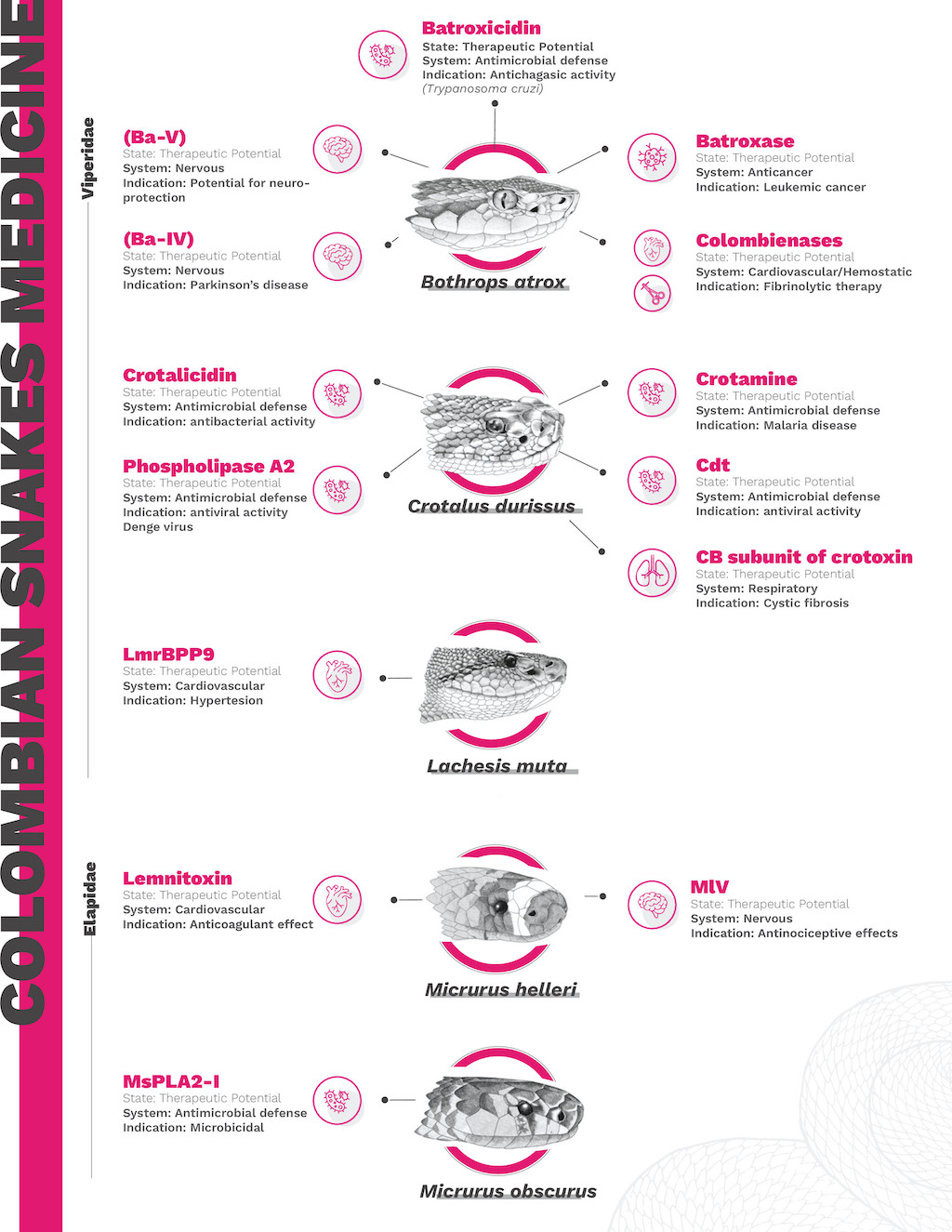
Figure 3. Infographic of pharmacological uses of venoms from Colombia snake species
Bothrops atrox.— Batroxicidin shows antibacterial activity. This molecule has antichagastic activity by inducing necrosis and apoptosis to
Trypanosoma cruzi (Chagas disease). It was compared to the currently available drugs (benznidazole), but batroxidin shows effectiveness against the benznidazole-resistant strain of
T. cruzi. This finding makes batroxicidin a molecule that can potentially treat chagas disease and similar blood parasites
[149].
Low-molecular-mass peptides Ba-V from
B. atrox venom have neuroprotective benefits. These peptides have therapeutic potential for neurodegenerative diseases such as Parkinson's and Alzheimer's by inhibiting mitochondrial permeability transition, presumably by altering calcium flow. This process plays a significant role in the pathophysiology of neurodegenerative diseases, and Ba-V's inhibition of this pathway could prevent cell brain death
[150]. In addition, a similar molecule, Ba-IV, has shown neuroprotective effects in neurodegenerative diseases such as Parkinson's disease. The Ba-IV inhibits the apoptotic proteases like caspase- 9 and caspase-3 that prevent cell death in dopaminergic neurons, the primary process presents in Parkinson's disease. Therefore, Ba-V and Ba-IV might make it possible to prevent the progression of neurodegenerative diseases
[151].
Bothrops asper.— From the venom of
B. asper two molecules such as Mt–I and Mt-II, PLA2-like isoforms have been isolated. Both have been tested as potential drug-facing diseases by flaviviruses (viral hemorrhagic fevers). Due to their enzymatic activity Mt–I and II could permeabilize the virus envelope, explaining their virucidal activity. Mt–I has strong antiviral activity, while Mt-II does not show the same results. These findings could lead to an effective treatment against flaviviruses such as Denge
[152].
Other toxins from
B. asper venoms with therapeutic potential are colombienases I and II, and batroxase. These could be helpful as a thrombolytic agent being used in cardiovascular diseases. These enzymes have several biological activities that are hemorrhagic, fibrinogenolytic, proteolytic, hemolytic, edematogenic, and cytotoxic. For example, they degrade fibrinogen without activating the fibrinolytic system (plasminogen/plasmin)
[153]. In addition, batroxase modulates pro-inflammatory cells in human blood and induces cytotoxic effects in tumoral blood cells. This activity could regulate cancer cell proliferation present with leukemia, and a new treatment could be derived from this molecule
[154]
Bothrops taeniatus.—The enzymatic activity from Btae TX-I, a PLA2 molecule isolated from
B. taeniatus venom, has similar properties as an anticancer molecule seen in other PLA2 toxins from other toxins described amongst its congeners. Further, the potential as an anticancer drug was also seen in the Btae TX-I molecule
[155].
Crotalus durissus.— The South American rattlesnake
Crotalus durissus is one of the most promising Colombian species in the pharmacological exploration of new drugs. Currently, there have been at least five toxins with pharmacological uses tested. The polypeptide toxin crotamine isolated from
C. durissus venom has shown antiparasitic effects, especially involving
Plasmodium falciparum infections (Malaria). Since crotamine enters the parasite's nucleus, it alters pH regulation modifying ambient acidity, leading to changes in the parasite's membrane. This effect is achieved without affecting healthy blood cells, demonstrating the excellent potential to treat malaria
[156]. In addition, the same mechanism has been studied for anticancer activity against melanoma, pancreatic cancer, and carcinoma, in which crotamine has shown effectiveness
[157].
Cytotoxin (Cdt), a molecule isolated from PLA2 of
C. durissus venom, has virucidal activity. Cdt has been described as useful against the measles virus by blocking the cellular receptors that the virus needs for its adsorption. However, more research is needed regarding effectiveness after infection because this molecule was only shown to prevent the virus from entering the cell. Neveretheless, this finding may elucidate new mechanisms of action for virucidal drugs
[158].
The CB subunit of crotoxin was also isolated. This toxin has been shown to regulate the cell membrane Cl- channel influx. Therefore, crotoxin could lead to medical applications such as treating cystic fibrosis, a disease characterized by a genetic mutation that leads to alterations in the regulation of chloride channels. This leads to systemic alterations and considerably limits a patient life expectancy
[159].
Also, antibacterial activity from crotalicidin has been described. This molecule was tested against
Escherichia coli and
Pseudomonas aeruginosa, causing rupture of the cell membrane of the bacteria leading to bacterial death. One advantage of crotalicidin against infections is that effective concentration does not cause damage to healthy human cells. This finding represents excellent news for antibacterial resistance to current drugs; and in the future, it could help produce a new generation of non-resistant antibiotics
[157,160]. Furthermore, antiviral activity, especially for the dengue virus, was found in phospholipase A2 from
Crotalus durissus. The mechanism is related to the enzymatic activity of phospholipase A2 that causes degradation of the virus envelope, exposing the RNA virus, enabling its degradation by the RNase enzyme
[161].
Finally, another therapeutic potential has been described from
C. durissus toxin venom. The peptide crotalphine has an antinociceptive activity that could be important in treating chronic pain, such as cancer treatments. Furthermore, crotalphine effects are induced by opioids kappa and delta receptors, leading to long-lasting pain management compared to morphine. Therefore, this molecule could be beneficial to avoid the administration of opioid drugs, preventing abstinence syndrome
[162]. In addition, a similar molecule, crotapotin, has also shown analgesic effects, and is being studied for encephalomyelitis pain in multiple sclerosis, establishing it as a promising molecule to treat this kind of pain
[163].
Lachesis muta.— The peptide named LmrBPP9 was synthesized from the Amazonian bushmaster. This molecule has ACE inhibitory activity like the BPPS used to create captopril. Moreover, LmrBPP9 effectively lowers blood pressure, comparable to captopril. This LmrBPP9 result opens up new sources of BPPS that can help to create drugs to treat hypertension
[164].
Porthidium species complex.— Currently, two components from
Porthidium lansbergii venom have been found to have anticancer activity. First, PLA2 (Pllans-II) has been tested against cervical cancer and showed effectiveness without damaging healthy tissues
[165]. Also, a disintegrin (Lansbermin-I) isolated from
P. lansbergii venom had anticancer activity in breast cancer cells. This toxin affects angiogenesis and the migration of breast cancer cells. All these molecules offer new alternatives for research and for the creation of new drugs for cancer treatment
[91,166].
An acidic PLA2 toxin isolated from
Porthidium nasutum exhibited antibacterial activity. Like other PLA2 toxins, the mechanism also involves the rupture of the bacterial membrane, and this makes it a powerful bactericide, adding it to the molecules with the potential to create new generations of antibiotics
[133].
Bothriechis schlegelii species complex.— Despite this arboreal species being frequently seen across varied elevations of Colombian Andes (0-3200 m asl), few pharmacological studies have been done. Despite this, the activity of BsLAAO was described as a potent antibacterial activity similar to other LAAOs present in viperids snake species. Mainly, its effects on
Staphylococcus aureus and
Acinetobacter baumanni were studied.
Acinetobacter baumannii is one of the bacteria with the highest antibiotic resistance. Therefore, infection by this bacterium presents a high mortality rate. This makes the compounds derived from these toxins useful for creating a new generation of antibiotics that help control antibiotic resistance and reduce mortality rates
[167].
Elapidae
Coral snake venoms are less studied than pit viper venoms due to the difficulty of obtaining snake venom samples, an adequate venom volume extracted per specimen, and the purification of the proteins. Only the venom proteome and the composition from three Colombian species have been characterized; these are
Micrurus mipartitus, M. dumerillii, and
M. helleri
[168–170]. All these venoms have significant amounts of 3FTx, PLA2, and LAAO, making them potential sources of compounds that could be active against cardiovascular disease, antibacterial antiviral, and antiparasitic infection, as well as analgesic drugs. Nevertheless, several toxins have been purified from the venoms of
M. mipartitus and
M. dumerillii. However, their either analgesic or modulation of ion channel activities have not been tested perhaps these activities are similar to other 3FTxs that have been studied.
Micrurrus helleri.— Explorations of the pharmacological potential of
M. helleri venom result in the isolation of a PLA2 molecule named MlV. This compound has antinociceptive activity, demonstrating a superior effect in comparison to conventional drugs [morphine (opioid) and indomethacin (NSAIDs)] without affecting the locomotor system. The MlV effects are manifested by blockading opioid receptors. This discovery allows an excellent opportunity to create new drugs to treat chronic pain
[164].
Another PLA2 molecule isolated from
M. helleri venom is lemnitoxin. It has exhibited myotoxic, cytotoxic, pro-inflammatory, and anticoagulant activities. This last effect has been studied due to the therapeutic potential for new anticoagulant drugs
[171].
Micrurus mipartitus.— This is the most common coral species inhabiting low to moderate elevations of the Colombian Andes (400-2000 m a.s.l.). Despite this, few pharmacological studies have been done. Recent pharmacological explorations have isolated a toxin from the LAAO protein family with potent bactericidal activity against two critical bacteria (Staphylococcus aureus and
Escherichia coli)
[172]. In addition, several toxins of PLA2s from the
M. mipartitus snake venoms have been isolated and characterized, but their pharmacological potential has not yet been evaluated
[173].
Micrurus obscurus.— Pharmacological explorations of
M. obscurus snake venoms from Colombian populations have not yet been done. However, a toxin MsPLA2 that exhibits a phospholipase activity was isolated from the venom of
M. spixii from Brazilian populations (the closest related species, see
[174]). This PLA2 effect showed a similar result found in
Bothrops venoms. Moreover, cytotoxic studies of MsPLA2 have shown microbicidal and antitumor activities and effects against
P. falciparum and liver cancer. Although its microbicidal and antitumor effects have been demonstrated, they do not exceed the effectiveness of currently available medications. However, its potential can help understand the biological processes of these pathologies and potentially generate new molecules
[175].
Colubridae
Few Colombian Colubrid venoms have been characterized by their toxin content using proteomic techniques (see Chapter 4). However, essential knowledge has been generated in recent years (see, for example, the venoms from the banded cat-eyed snake (Leptodeira annulata), double-banded coral snake mimic (Erythrolamprus bizona) and, Neuwiedd’s false boa (Pseudoboa neuwiedii) have been characterized
[176–178]. From a pharmacological view, all these secretions show great potential as cytotoxic, antibacterial, antiviral, and antiparasitic compounds due to their significant composition of PLA2 and SVNP activities. Moreover, the venom of
Leptodeira annulata shows strong α-fibrinogenase and fibrinolytic activities that suggest the presence of SVMPs which leads to molecules for the development of thrombolytic agents
[178]. Nevertheless, its pharmacological potential has not yet been evaluated.
In addition, three-finger toxins from this family were characterized that are not toxic to human cells. As explained above, three-finger toxins have several activities applicable to medical use. However, more research is needed. In addition, this toxin has the potential to explore its pharmacological uses
[179]. Some examples are the molecules
H. t. texana and
T. b. Lambda isolated from
Philodryas
baroni,
P. olfersii,
P. patagoniensis that exhibit PLA2 activity and anti-leishmanial activity. Even though they are not as potent as currently available drugs (amphotericin B ), they represent new anti-leishmanial drug opportunities
[180].
As shown in this chapter, the therapeutic potential of Colombian snake venoms is immense. They can help generate new treatments for multiple pathologies. Using “omics” technologies will allow identifying more potential molecules in the venoms of snakes from Colombia. However, we must continue studying the venom components conventionally, while “omics” technologies can be performed in a massive form and at a reasonable cost for Colombian researchers. The biomedical and pharmacological potentials of snake venom from Colombia have been presented in this chapter. Due to the complex nature of these venoms and the findings discovered up until now, it is clear that the discovery of more potential molecules is possible. However, more resources are needed to increase our knowledge about Colombian snake venoms and to establish clear bioprospection of these substances.
Table 4. Molecules with therapeutic potential derived from Colombian snake venoms.
| Family |
Origin species |
Drug |
Mechanism |
Systems |
Indication |
Reference |
| Viperidae |
Bothrops atrox |
Batroxicidin |
Induces necrosis and apoptosis in T. cruzi. |
Antimicrobial defense |
Antichagasic activity (Trypanosoma cruzi) |
[149] |
|
Bothrops asper |
Colombienases |
Degrades fibrinogen but do not activate the fibrinolytic system (plasminogen/plasmin) |
Cardiovascular/Hemostatic |
Fibrinolytic therapy |
[153] |
|
Bothrops atrox |
Batroxase |
Cytotoxicity in tumoral blood cells. |
Anticancer |
Leukemic cancer |
[154] |
|
Bothrops atrox |
(Ba-V) |
Inhibit mitochondrial permeability transition, presumably altering calcium flow |
Nervous system |
Potential for neuroprotection |
[150] |
|
Bothrops asper |
Mt–I |
Permeabilize the virus envelope due to enzimatic activity. |
Antimicrobial defense |
virucidal activity |
[152] |
|
Bothrops atrox |
(Ba-IV) |
Inhibiting apoptotic proteases such as caspase-9 and caspase-3 that prevents cell death in dopaminergic neurons. |
Nervous system |
Parkinson´s disease |
[151] |
|
Crotalus durissus |
Crotamine |
Disrruption of H+ balance, and membrane pertubation. |
Antimicrobial defense/ Anticancer activity |
Malaria / Melanoma, pancreatic cancer, and carcinoma. |
[149,156] |
|
Crotalus durissus |
Cdt |
Blocks receptors in the cell membrane, impeding the absorption of the virus. |
Antimicrobial defense |
antiviral activity |
[158] |
|
Crotalus durissus |
crotalicidin |
Rupture of the bacterial cell membrane. |
Antimicrobial defense |
Antibacterial activity |
[157,160] |
|
Crotalus durissus |
Phospholipase A2 |
Degradation of the virus envelope, exposing the virus RNA. |
Antimicrobial defense |
Antiviral activity Denge virus |
[161] |
|
Crotalus durissus |
CB subunit of crotoxin |
Regulation of Cl- channels. |
Respiratory system |
Cystic fibrosis |
[159] |
|
Lachesis muta |
LmrBPP9 |
ACE inhibition. |
Cardiovascular system |
Hypertension |
[164] |
|
Porthidium lansbergii |
Lansbermin-I |
Disintegrin activity. |
Anticancer |
Breast Cancer Cells |
[91,166] |
|
Porthidium nasutum |
Acidic PLA2 |
Phospholipase activity. |
Antimicrobial defense |
Microbicidal |
[133] |
|
Porthidium lansbergii |
Pllans–II, an acidic Asp49–PLA2 |
Phospholipase activity. |
Anticancer |
Cervical carcinoma |
[182] |
| Bothrops taeniata |
Btae TX-I |
Phospholipase activity. |
Anticancer |
Cervical carcinoma |
[155] |
|
Bothriechis schlegelii |
BsLAAO |
LAAO activity |
Antimicrobial defense |
Antibacterial activity |
[167] |
| Elapidae |
Micrurus helleri |
MlV |
Blocks opioid receptors. |
Nervous system |
Antinociceptive effects |
[181] |
| Micrurus spixii |
MsPLA2-I |
Phospholipase activity. |
Antimicrobial defense/ anticancer activity |
Microbicidal/ antitumoral |
[175] |
|
Micrurus helleri |
Lemnitoxin |
Phospholipase activity. |
Cardiovascular system |
Anticoagulant effect |
[171] |
Appendix A: Material and Methods
Search methods for identification of studies: Electronic searches.
The searches were carried out from April to June 2021. We performed the searches as follow:
- Weekly searches of the Cochrane Central Register of Controlled Trials (CENTRAL)
- Weekly searches of MEDLINE (Ovid)
- Weekly searches of Embase (Ovid)
- Weekly searches of Scielo
- Weekly searches of Scopus
- Weekly searches of Google Scholar
- Weekly searches of clinicaltrial.gov
The search strategies contained the following keywords and Mesh were combined in different ways using the boolean connectors AND OR: snake venoms,
Bothrops atrox,
Crotalus,
Bothriechis,
Porthidium,
Lachesis,
Micrurus,
Xenodon,
Leptophis,
Erythrolamprus,
Oxybelis,
Helicops,
Bothrocophias,
Thamnodynastes,
Leptodeira, Philodryas, and drug development.
Searching other resources
We checked relevant cited studies while reviewing the reports identified by the electronic searches, as well as reference lists from any directly relevant reviews identified. We did not apply language or date restrictions and included studies regardless of the publication type (e.g., conference abstract, trial registry entry, journal article, book).
We searched March 2021 and identified 1087 articles for potential inclusion. In addition, we identified a total of 320 articles for the title and abstract screening, of which experts suggested 39 articles, 46 studies were duplicates, and 40 were excluded for other reasons.
We obtained the full text of the 234 remaining articles for inclusion. Details of the flow of studies for this review are recorded in a PRISMA diagram in Figure 4.
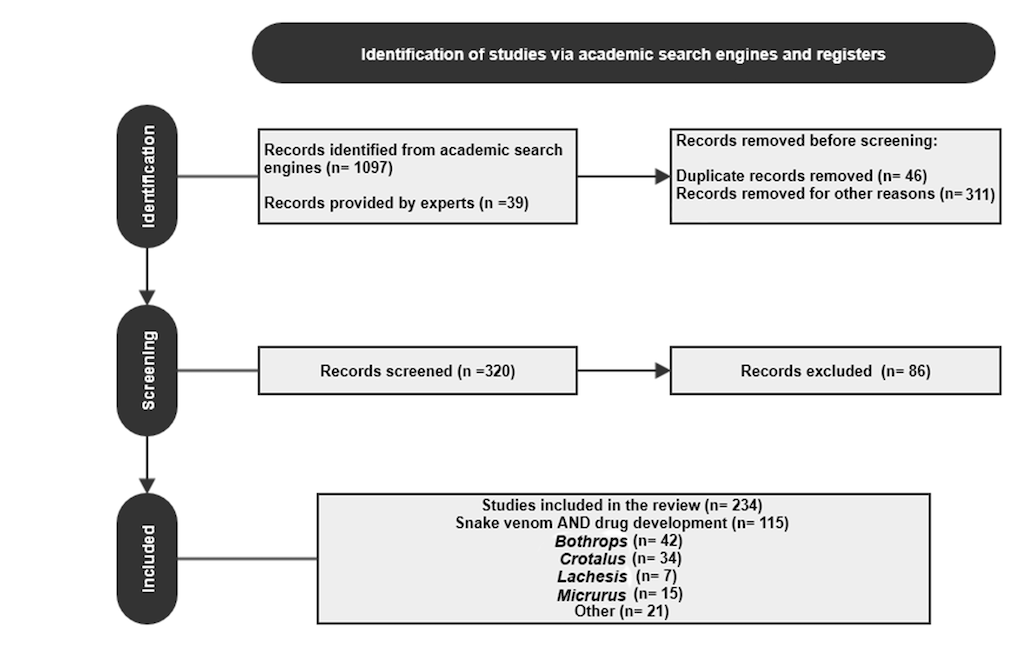
Figure 4. PRISMA approach employed.